_edited.jpg)

India's move for Circular Batteries
- Tax Loupe
- Aug 27, 2022
- 3 min read

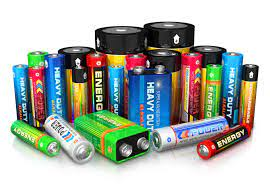
Source: goenergylink.com
From UN Climate Change Conference in Glasgow (COP 26) to Ms. Nirmala Sitharaman's Budget speech of FY 2022-23 to Mr. Narendra Modi's appeal in his Independence Day Speech - the common topic was Circular Economy (CE).
And why not?
As per Ellen MacArthur Foundation's estimates, circular economy adoption in India will bring an annual benefit to a tune of Rs. 40 lakh crore ($624 billion) in 2050 and reduction in GHG emissions by 44 per cent!!
Some of the steps that have already taken by the govt. towards CE include:
The Natural Resource Efficiency Policy (which mainly focuses on sustainable procuring of raw materials, end-of-life recovery of secondary raw materials for re-using them, and creation of business models & employment opportunities centering environmental protection and restoration),
Plastic Waste Management Rules (with recent amendment in the rules, India is aiming to phase out single-use plastics and increase the thickness of plastic carry bags to ~120 microns from 31 December 2022),
Construction and Demolition Waste Management Rules (this will really help as 530 million tonnes of construction and demolition waste is generated every year. One of the important highlight is the compulsion on state government and local authority to procure 10%-20% material made from such waste),
Metal Recycling Policy (focuses on use of scrap as if the quality scrap is provided as the charge to the electric furnaces, then the furnaces can produce high grade steel. This will also lead to import substitution as currently the high grade steel is imported) and,
Extended Producer Responsibility (targeted on re-use of plastic packaging)
And the next latest addition in the efforts for circular economy is:
The Battery Waste Management Rules, 2022
The new rules takes place of Batteries (Management and Handling) Rules, 2001, and are applicable to all types of batteries barring those used
in equipment for the protection of the security interests including ammunitions, arms, war material,
specifically for military purposes and
in equipment created to be sent into space.
Now, it is very important to ensure that the manufacturing of battery takes place in such a manner which enables its recycling/ refurbishment.
Therefore, the fundamental basis of the rules is:
Extended Producer Responsibility (EPR), wherein, the producers [even importers also] have the obligation for collection and recycling/refurbishment/ reuse of waste batteries and also to make use of recovered material in new batteries.
This basis make it mandatory for the producers to take active steps for recycling of the waste batteries and not to mail it to landfills or incineration center.
But the point here is:
How to ensure that producers are performing their responsibilities?
The rules comes up with a great solution to this: An online portal.
The online portal will facilitate generation and exchange of EPR certificates between the producer and the concerned recycler.
According to our understanding, the recycler will input the details of the producer & material recycled and accordingly EPR certificate would be generated by the portal. This would serve as an evidence of actual performance of obligations by the producer.
The government, considering the need of technology and innovation in this area, has made provisions in the rules for the promotion of entrepreneurship in collection of materials and their recycling.
By setting the minimum collection requirement, the govt. is encouraging new technology & innovative ideas to pop-up to achieve this.
Further, the requirement to use certain minimum % of waste materials in the new batteries will reduce the use of new materials which will ultimately prove beneficial for the environment in terms of resource extraction.
To ensure compliance with the rules and understand the "battery behavior" of the producer, provision for auditing has also been introduced in the rules. This could help in 3 ways:
keeping check on progress towards circular battery economy
auditor's feedback to the producer will help in improving its operational aspects. Also, the good audit remarks will help the producer to attract investments to acquire latest technology around this.
creating new job opportunities
"When everything fails, punishment works"
The rule also provide for imposition of penalty for non-fulfillment of EPR.
The interesting point to note here is that the amount accumulated on account of penalties will be used for the collection and recycling of waste batteries only. Generally, such amounts gets credited to a specific fund.
While this step is set to fuel the circular economy, it is important to chalk-out a path for robust collection of waste batteries. For this, we foresee partnerships between battery producers and battery users.
Further, battery users may be incentivized to return the waste batteries. The producers can create a online portal which would enable people to post the picture of the waste battery along with the place from where it can be collected. This would create a "waste battery" community and will also help in easily collecting the batteries.
Well, what ideas do you have for improving the collection of waste batteries?


Comments